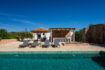

Luxury Real Estate in Tulum: A Guide to Investing in the Riviera Maya
You’ve probably heard about Tulum’s real estate boom by now. But what many people still don’t fully understand is that this small Mayan town has evolved into one of the most desirable luxury real estate markets in the world.
And no, we’re not just talking about pretty beachfront homes.
Over the past five years, Tulum has undergone an extraordinary transformation. Once known as a laid-back backpacker destination with a bohemian vibe, it now competes with global luxury hotspots like Saint-Tropez, Ibiza, and the Hamptons.
The result?
Luxury properties appreciating by 15–20% annually, international investors entering the market aggressively, and premium developments selling out before construction is even completed.
After years covering international real estate markets, I’ve seen speculative bubbles, market crashes, and countless “next big thing” destinations. What’s happening in Tulum feels different — because this growth is backed by real infrastructure, global demand, and a lifestyle that wealthy buyers actively seek.
Why Tulum’s Location Is Unlike Anywhere Else?
Tulum isn’t just another beach destination in Mexico.
It’s the only Mayan archaeological site built directly on the Caribbean coastline. That alone creates a level of exclusivity almost impossible to replicate.
Imagine waking up to turquoise water views while ancient Mayan ruins sit just minutes away. You won’t find that combination in Cancún, Playa del Carmen, or virtually anywhere else in the world.
And the geography only adds to the appeal:
- Crystal-clear cenotes minutes from downtown
- The world’s second-largest coral reef system nearby
- Dense tropical jungle surrounding luxury developments
- White-sand beaches with strict low-density zoning
But what’s really changing the game is infrastructure investment.
The Mexican government has invested over $8 billion into the Maya Train project, connecting Tulum directly to Cancún, Mérida, and the rest of the Yucatán Peninsula.
What currently requires a two-hour drive from Cancún Airport will soon become a 45-minute high-speed train journey.
And then there’s the biggest catalyst of all: Tulum International Airport.
With direct flights expected from cities like New York, Los Angeles, Madrid, and London, Tulum is becoming dramatically more accessible to global luxury buyers.
That matters more than you might think.
Affluent real estate investors hate logistical complications. The easier you make access to a destination, the larger your potential buyer pool becomes.
Tulum’s Building Restrictions Are a Huge Advantage
Unlike Cancún or many other resort destinations, Tulum has strict height regulations.
Developers cannot build massive high-rise towers. Most structures are limited to approximately four stories — roughly the height of the surrounding jungle canopy.
The result is a low-density luxury market that preserves exclusivity, protects the environment, and prevents the overdevelopment that has hurt other beach destinations.
For luxury real estate investors, scarcity is everything.
The Best Areas to Invest in Tulum Luxury Real Estate
Not every neighborhood in Tulum performs equally. Choosing the right area can significantly impact both appreciation and rental income.
La Veleta: Tulum’s Trendiest Investment Zone
La Veleta has become Tulum’s version of SoHo.
Celebrity-chef restaurants, art galleries, wellness concepts, designer boutiques, and luxury vacation rentals dominate the area.
This is where the international creative class and digital entrepreneurs are buying property.
Luxury condos here start around $300,000, while premium villas with private pools and cenote access can exceed $2 million.
La Veleta also perfectly fits the “15-minute city” concept:
- Gourmet grocery stores
- Wellness spas
- Coworking spaces
- Fine dining
- Boutique fitness studios
Everything is accessible within a short walk or bike ride — a major selling point for modern luxury buyers.
Aldea Zamá: The Residential Luxury Hub
Aldea Zamá offers a quieter and more residential experience while maintaining strong luxury appeal.
Here, architecture blends contemporary design with Mayan-inspired aesthetics:
- Tropical gardens
- Spacious villas
- Premium gated communities
- Sustainable development concepts
Property prices generally begin around $400,000, but demand remains consistently strong due to the area’s reputation for safety, organization, and long-term value stability.
Beachfront & Archaeological Zone: Ultra-Premium Real Estate
If you want the full Tulum fantasy, beachfront properties near the archaeological zone are the ultimate luxury play.
Oceanfront penthouses and villas with views of the Mayan ruins regularly exceed $1.5 million.
But think about it:
How many properties in the world offer direct access to a UNESCO-level historical environment combined with Caribbean beachfront living?
Scarcity alone drives enormous long-term value here.
Downtown Tulum: The Emerging Boutique Market
Tulum Pueblo — the local downtown area — is experiencing its own renaissance.
Colonial-style homes are being transformed into:
- Boutique hotels
- Luxury residences
- Hybrid hospitality concepts
It’s more affordable than beachfront zones, but also more volatile. Investors here need stronger local market knowledge and a longer-term perspective.
Holistika & Wellness Communities
Developments like Holistika are creating an entirely new category: wellness-focused luxury real estate.
These communities sell far more than square footage. Buyers gain access to:
- Yoga centers
- Holistic spas
- Meditation spaces
- Organic gardens
- Wellness programming
In Tulum, lifestyle has become just as valuable as the property itself.
The Numbers Every Investor Should Know
Let’s talk about what really matters: profitability.
Average ROI in Tulum luxury real estate currently sits around 18% annually.
That sounds aggressive — but once you analyze the market fundamentals, it becomes easier to understand.
Tourism Growth Is Driving Everything
Hotel occupancy in Tulum increased by more than 340% between 2019 and 2024.
And we’re not talking about backpacker hostels anymore.
Luxury hospitality dominates the market:
- Average Daily Rates exceeding $400 per night during high season
- Strong demand for private luxury villas
- High-spending international travelers
Vacation Rental Income Potential
Luxury Airbnb properties in Tulum can generate:
- $3,000–$5,000 monthly for premium condos
- $8,000–$12,000 monthly for luxury villas during peak season
Of course, operating costs matter.
Property management, cleaning, maintenance, marketing, and platform fees can consume 25–30% of gross revenue. But even after expenses, profit margins remain highly attractive compared to many mature luxury markets.
Property Appreciation Is Exceptional
In 2024 alone, average price per square meter in Tulum’s premium zones increased by 22%.
Luxury properties now sell in approximately 120 days on average — significantly faster than comparable luxury markets like Miami or Los Cabos.
International Buyers Dominate the Market
Roughly 68% of luxury real estate buyers in Tulum are foreign investors:
- Americans
- Canadians
- Europeans
That international demand base provides additional resilience and reduces dependency on Mexico’s domestic economy.
Foreign direct investment into Tulum real estate surpassed $1.2 billion in 2024 — triple the figure recorded in 2020.
When institutional capital enters a market, prices tend to stabilize upward over the long term.
Legal and Tax Considerations for Foreign Buyers
Buying property in Mexico as a foreigner is straightforward — but there are important rules to understand.
The Fideicomiso (Bank Trust)
Foreigners cannot directly own coastal property within restricted zones. Instead, most purchases are completed through a fideicomiso, a bank trust structure.
The Mexican bank technically holds the title, but you maintain full ownership rights:
- Use
- Rental income
- Resale rights
- Inheritance rights
Annual maintenance costs typically range between $500 and $800.
Alternative: Mexican Corporation
Some investors choose to establish a Mexican corporation for direct ownership, particularly if:
- They plan to acquire multiple properties
- They operate real estate businesses
- They develop commercial projects
Taxes
Mexico’s property taxes are relatively low.
Annual property tax (predial) generally ranges from 0.2% to 0.3% of assessed value — often significantly below actual market value.
Rental income taxes typically range between 21% and 35%, though deductible expenses can substantially reduce taxable income.
Capital gains tax is generally 35%, but exemptions may apply if the property qualifies as your primary residence.
And one important lesson:
Always work with a licensed Mexican notary public.
In Mexico, notaries play a much larger legal role than in many European countries. They verify legality, handle registration, and protect transaction integrity.
The Risks Nobody Likes Talking About
No market is perfect — and Tulum certainly has risks.
Oversupply Risk
New developments continue entering the market rapidly.
The safest strategy?
Focus on unique properties:
- Ocean views
- Cenote access
- Exceptional architecture
- Prime locations
Average luxury inventory always suffers first during market slowdowns.
Infrastructure Challenges
Urban infrastructure still lags behind growth in some areas:
- Occasional power outages
- Water pressure issues
- Internet instability during storms
For some buyers, that’s frustrating.
For others, it’s part of the jungle-luxury experience.
Climate Risks
Hurricanes are becoming stronger and more frequent.
Luxury villa hurricane insurance can easily cost $8,000–$12,000 annually — but it’s absolutely essential.
Environmental Regulation
Mexico is increasing environmental protection efforts around:
- Mangroves
- Cenotes
- Coastal ecosystems
This may limit future development but ultimately protects the ecosystem that makes Tulum valuable in the first place.
Currency Fluctuation
Exchange rate volatility between the peso, dollar, and euro can affect profitability for international investors.
Security Considerations
Crime levels remain relatively low compared to other major tourist regions in Mexico, but luxury properties increasingly require advanced security systems and professional monitoring.
The Future of Tulum Luxury Real Estate
So what does Tulum look like by 2030?
Honestly? Even more exclusive.
Sustainability Is Becoming Mandatory
Luxury developments are increasingly integrating:
- Solar energy systems
- Rainwater collection
- Wastewater treatment
- Eco-conscious construction
Sustainability is no longer a marketing gimmick — luxury buyers genuinely expect it.
Wellness Real Estate Is Exploding
The “luxury wellness” sector is redefining the market:
- Private spas
- Meditation centers
- Organic gardens
- Holistic living concepts
Developers are no longer selling homes.
They’re selling health, balance, and lifestyle transformation.
Smart Homes in the Jungle
Technology is becoming deeply integrated into luxury jungle living:
- Solar-powered automation systems
- Remote property management apps
- Smart climate control
- Integrated security platforms
Today’s luxury buyers want both nature and convenience.
Digital Nomads Are Driving Demand
Remote workers and entrepreneurs are increasingly purchasing second homes in Tulum.
That’s creating strong demand for:
- Home offices
- High-speed internet
- Coworking-focused developments
Institutional Investors Are Professionalizing the Market
Large investment funds are bringing:
- More structured due diligence
- Professional asset management
- Higher-quality developments
That creates more confidence for international buyers — but also more competition.
Tulum Is Becoming a Global Gastronomy Destination
Michelin-level chefs, culinary festivals, and high-end dining experiences are transforming Tulum into a luxury food destination.
That adds another layer of value to owning property here:
You’re not just buying real estate.
You’re buying access to an exclusive cultural ecosystem.
Is Now the Right Time to Invest in Tulum?
The opportunity window is still open — but prices continue climbing and premium inventory disappears quickly.
Whether you’re looking for:
- A luxury vacation home
- A high-performing Airbnb investment
- A long-term appreciation play
- A lifestyle-focused second residence
Tulum continues positioning itself as one of the strongest luxury real estate markets in the Americas.
Because ultimately, Tulum luxury real estate isn’t just about property investment.
It’s about owning a piece of one of the world’s most desirable destinations before the rest of the market fully catches up.